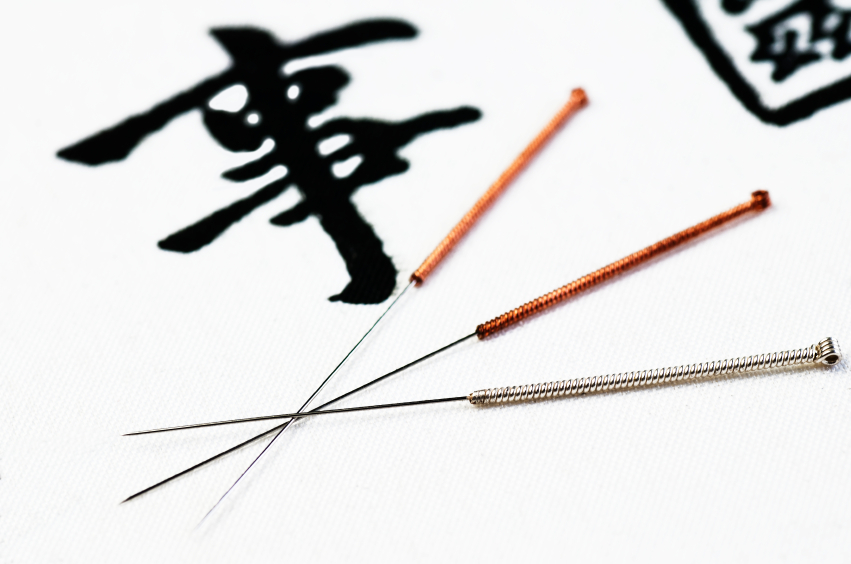
Acupuncture:
Acupuncture is a safe and effective therapy that stimulates the body’s natural healing mechanisms. It works by improving circulation, reducing inflammation, and promoting the release of adenosine—one of the body’s natural painkillers. Neuroimaging studies have
shown that acupuncture can enhance the brain’s ability to manage pain by increasing receptors for pain-reducing neurotransmitters. With minimal side effects, acupuncture is widely recognized by the World Health Organization (WHO) and the National Institutes of Health (NIH) as a valuable treatment for a wide range of physical and neurological conditions.
Electroacupuncture:
This is a modern form of acupuncture that uses gentle electrical stimulation through needles to relieve pain, reduce inflammation, and support healing. Research shows it activates the brain and nervous system, triggering the release of natural opioids and anti-inflammatory proteins through mesenchymal stem cells (MSCs)
Cupping:
Cupping therapy has been used for over 3,000 years across Asian, Egyptian, and Greek medical traditions. Originally done with bamboo and fire, it has evolved into modern methods including glass and motorized cups. Today, it is widely used by healthcare professionals and athletes for pain relief and faster recovery. When applied properly, cupping is safe, non-invasive, and enhances the body’s natural healing process.
Needle-Free Acupuncture:
HongPas is an innovative needle-free technique developed by Sung Hong for those who are sensitive to needles. It uses a Nano Acu Patch to stimulate the somatosensory system and activate meridian pathways. By enhancing the body’s natural electrical signals, it supports faster recovery, pain relief, and improved performance.
Magnetic Therapy:
Magnetic therapy has been used for centuries to relieve pain such as arthritis and headaches. Today, it is commonly used to reduce pain, inflammation, and support healing. Research continues to explore how different types of magnets may help with pain management.
Auricular Acupuncture:
Auricular acupuncture gained international recognition in 1990 when the World Health Organization standardized ear-point nomenclature, following key meetings in Seoul (1987) and Geneva (1989). Forty years after Dr. Paul Nogier’s pioneering work, his method—now including Battlefield Acupuncture—is widely acknowledged for its therapeutic value.
Acupressure, Tuina:
Acupressure is a manual technique in which practitioners use their fingers, palms, elbows, feet, or specialized tools to apply pressure to specific acupoints along the body’s meridians. Techniques may include gentle pressure, stretching, or acupressure massage. The goal is to restore balance to the body’s energy channels and release muscle tension to restore alignment of the patient’s musculoskeletal system.
Qigong:
Qigong, pronounced “chi gong,” is an ancient practice from traditional Chinese medicine that combines movement, breath, and mindfulness to enhance physical and mental well-being. It typically involves slow, deep breathing, gentle and flowing movements, and focused attention or visualization. There are two main types: dynamic qigong, which emphasizes active body movements, and meditative qigong, which focuses on stillness, breath, and mental regulation. The goal of qigong is to balance and optimize the body’s energy for improved health and vitality.